COVID-19 has been a central part of our lives for several years now, yet many questions remain about how the virus affects us, what symptoms to expect, and how to recover safely. Understanding the course of a COVID-19 infection and the steps you can take to protect yourself and others is vital. Here, we’ll explore common symptoms, how long they last, and what you need to know about managing COVID-19.
Common COVID-19 symptoms
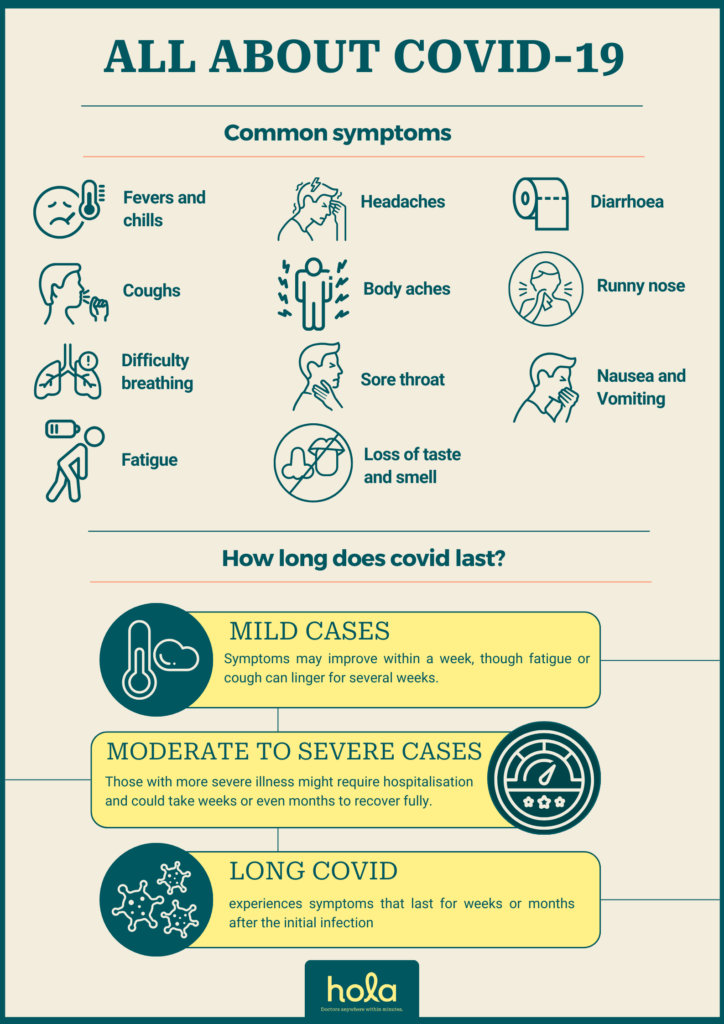
COVID-19 symptoms can vary widely, ranging from mild to severe. The most commonly reported symptoms include:
Symptoms typically appear 2–14 days after exposure to the virus. While most people experience mild to moderate symptoms, some can develop severe illness requiring medical attention.
How long does COVID-19 last?
For most people, mild COVID-19 symptoms resolve within 10 to 14 days. However, the duration can vary based on factors such as age, vaccination status, and underlying health conditions.
Mild cases: Symptoms may improve within a week, though fatigue or cough can linger for several weeks.
Moderate to severe cases: Those with more severe illness might require hospitalisation and could take weeks or even months to recover fully.
Long COVID: A subset of individuals experiences symptoms that last for weeks or months after the initial infection. This condition, often referred to as "long COVID" or "post-COVID syndrome", includes symptoms like fatigue, brain fog, and joint pain.
Experiencing these symptoms? Speak with a doctor within 15 minutes.
Yes, reinfection is possible. Immunity from previous infections or vaccination wanes over time, making it possible to catch COVID-19 again. Additionally, the virus continues to mutate, and new variants may partially evade existing immunity. Staying up to date with vaccinations and boosters can help reduce the risk of severe reinfection.
When is it safe to be around others?
The Centers for Disease Control and Prevention (CDC) recommends isolating for at least 5 days after the onset of symptoms or a positive test. You can end isolation if:
You’ve been fever-free for 24 hours without using fever-reducing medication.
Other symptoms are improving.
Wear a mask around others for 10 days after symptom onset, even if you feel better. Always follow local health guidelines for isolation and masking.
Does COVID stay in the body long after infection?
After the acute phase, most people clear the virus from their systems. However, fragments of viral RNA may remain detectable in some tests, even when you’re no longer contagious. This does not mean the virus is still active. Long COVID symptoms are thought to result from the body’s immune response, not the presence of the virus.
Who is at risk of getting very sick from COVID-19?
Certain groups face a higher risk of severe illness, including:
Older adults (especially over 65)
People with underlying conditions (e.g., diabetes, heart disease, obesity)
Immunocompromised individuals
Pregnant women
Vaccination significantly reduces the risk of severe outcomes in these groups.
How do COVID antivirals work?
Antiviral medications like Paxlovid and Molnupiravir can help reduce the severity of COVID-19 by stopping the virus from multiplying in your body. These treatments are most effective when taken as soon as possible and within 5 days of symptom onset, so prompt action is crucial.
Consult a healthcare provider like those available through telehealth services to see if antivirals are right for you.
Self-care at home
Most COVID-19 cases can be managed with home care:
Rest and hydration: Prioritise sleep and drink plenty of fluids.
Over-the-counter medications: Use paracetamol or ibuprofen to manage fever and aches.
Monitoring: Keep track of your symptoms, especially breathing difficulties or prolonged fever.
When to see a doctor?
Seek medical attention if you experience:
Difficulty breathing
Persistent chest pain or pressure
Confusion or inability to stay awake
Bluish lips or face
These could be signs of severe COVID-19 requiring immediate care.
When should my child see the doctor?
Children usually experience milder symptoms, but you should contact a healthcare provider if your child:
Has difficulty breathing
Is dehydrated (e.g., fewer wet diapers, dry mouth)
Has a high fever that doesn’t improve with medication
Seems unusually drowsy or unresponsive
Paediatric care is especially important for infants, as their immune systems are less developed.
How can an online doctor help via telehealth?
Telehealth has become an invaluable tool for managing COVID-19. Online consultations can:
Help you assess whether you need antiviral medications.
Provide guidance on managing symptoms at home.
Offer advice on when to seek in-person care.
Some telehealth services can connect you with professionals who can prescribe antivirals or other treatments quickly, ensuring you receive timely care.
Final thoughts
While COVID-19 may no longer dominate headlines, it’s still important to stay informed about symptoms, treatment options, and recovery guidelines. By understanding what to expect and accessing care when needed, you can navigate the illness with confidence and protect those around you.
Stay safe, take care, and remember that reliable resources like telehealth services are here to support you.
Need time off to recover? Get your medical certificate online within 15 minutes.
This blog is for general informational purposes only and does not indicate that Hola Health provides all treatments or preventive measures mentioned. It is not intended to be a substitute for professional medical advice. Always seek the guidance of your doctor or other qualified health professional with any questions you may have regarding your health or a medical condition. For emergencies please immediately contact 000. Any medical topics discussed are intended to educate, not to imply availability through Hola Health.



 Facebook
  X
X  Copy Link