Gastro-oesophageal reflux disease (GORD), is a common condition that affects millions of adults worldwide. It’s more than just occasional heartburn; GORD can significantly impact daily life if not managed properly. In this blog post, we’ll delve into what GORD is, its causes, and symptoms, and how you can manage and prevent it effectively.
What is gastro-oesophageal reflux disease?
GORD occurs when stomach acid frequently flows back into the oesophagus (the tube connecting your mouth to your stomach). This backflow, known as acid reflux, irritates the lining of the oesophagus, leading to uncomfortable symptoms such as heartburn and regurgitation. While occasional reflux is normal, persistent symptoms indicate GORD, a condition that may require medical attention.
Also read: Common gastro symptoms : What to do & when to see a doctor?
What is the main cause of gastro-oesophageal reflux disease?
The primary culprit behind GORD is a weak or relaxed lower oesophageal sphincter (LOS), the muscle acting as a valve between the stomach and oesophagus. When the LOS doesn’t close properly, stomach contents can escape back into the oesophagus.
Experiencing these symptoms? Speak with a doctor within 15 minutes.
Hiatal hernia: A condition where part of the stomach pushes into the chest cavity, weakening the LOS.
Dietary choices: Foods like spicy dishes, caffeine, chocolate, and alcohol can relax the LOS or irritate the oesophagus.
Smoking: Smoking reduces saliva production, a natural acid neutraliser, and weakens the LOS.
Pregnancy: Hormonal changes and increased abdominal pressure can lead to temporary GORD.
What are the symptoms of GORD?
GORD symptoms vary in intensity but typically include:
Heartburn: A burning sensation in the chest that often worsens after eating or lying down.
Regurgitation: A sour or bitter-tasting fluid backing up into your throat or mouth.
Difficulty swallowing (Dysphagia): A feeling of food sticking in your throat.
Chest pain: Often mistaken for a heart attack, this pain is caused by oesophageal irritation.
Chronic cough or hoarseness: Irritation from acid reflux can impact your throat and vocal cords.
Nausea: Especially after meals.
In severe cases, prolonged acid exposure can lead to complications such as oesophagitis, oesophageal stricture, or Barrett's oesophagus, a condition linked to an increased risk of oesophageal cancer.
Also read: Viral gastroenteritis in adults: When to consult a doctor?
Diagnosis and tests
If you suspect GORD, it’s essential to consult a doctor for an accurate diagnosis. Common tests include:
Endoscopy: A thin, flexible tube with a camera is used to examine the oesophagus and stomach for damage.
pH monitoring: A device measures the amount of acid in your oesophagus over 24 hours.
Oesophageal manometry: This test assesses the strength and coordination of your oesophageal muscles.
Barium swallow X-ray: You’ll drink a special liquid while X-rays capture images of your upper digestive tract.
Home treatments and prevention
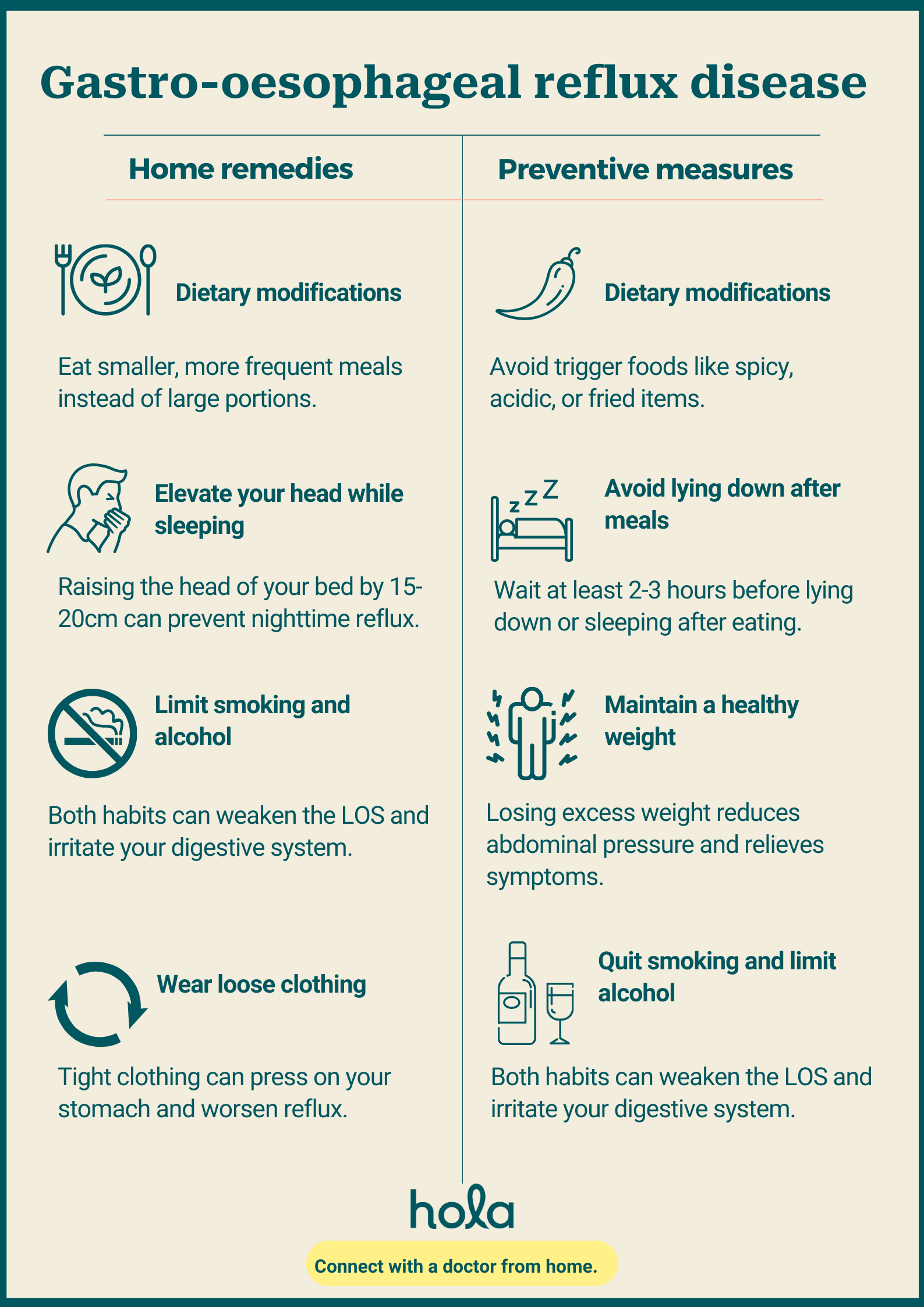
While medical treatment is crucial for severe cases, you can make lifestyle changes to manage and prevent GORD:
Dietary modifications:
Avoid trigger foods like spicy, acidic, or fried items.
Eat smaller, more frequent meals instead of large portions.
Elevate your head while sleeping:
Raising the head of your bed by 15-20cm can prevent nighttime reflux.
Avoid lying down after meals:
Wait at least 2-3 hours before lying down or sleeping after eating.
Maintain a healthy weight:
Losing excess weight reduces abdominal pressure and relieves symptoms.
Quit smoking and limit alcohol:
Both habits can weaken the LOS and irritate your digestive system.
Wear loose clothing:
Tight clothing can press on your stomach and worsen reflux.
Risk factors
Certain factors make you more susceptible to GORD:
Age: GORD becomes more common as you age.
Genetics: A family history of GORD or hiatal hernia increases your risk.
Lifestyle choices: Sedentary habits, smoking, and poor dietary habits play a significant role.
Chronic conditions: Diabetes, connective tissue disorders, and delayed stomach emptying can contribute.
When to see a doctor?
You should seek medical attention if:
You experience severe or frequent heartburn (more than twice a week).
Over-the-counter medications provide little relief.
Symptoms such as difficulty swallowing, unexplained weight loss, or persistent vomiting occur.
You have chest pain that may be mistaken for a heart attack.
Timely diagnosis and treatment can prevent complications and improve your quality of life.
Provide ongoing support and monitor your progress without requiring in-person visits.
With telehealth, you can get expert advice from the comfort of your home, making it a practical option for busy schedules for -
Instant scripts: If treatment is needed, your doctor can provide prescriptions electronically, which are available for collection at a local pharmacy or through an online service with medicine delivery options.
Medical certificates online: If the condition requires you to take time off work or manage gastro symptoms at home, Hola’s online doctor service can provide a medical certificate for your needs.
Reducing your risk of gastro-oesophageal reflux disease
Preventing GORD starts with making smart lifestyle choices:
Adopt a balanced diet: Incorporate whole grains, lean proteins, fruits, and vegetables.
Stay active: Regular exercise helps maintain a healthy weight and supports digestion.
Minimise stress: Chronic stress can exacerbate reflux; consider relaxation techniques like yoga or meditation.
Avoid trigger foods and habits: Learn your specific triggers and modify your diet accordingly.
Conclusion
Gastro-oesophageal reflux disease can be a persistent nuisance, but it’s manageable with the right approach. By understanding the causes, symptoms, and treatment options, you can take control of your digestive health. Don’t hesitate to seek professional help if symptoms persist—early intervention is key to preventing complications. Whether it’s through lifestyle adjustments, medical treatment, or telehealth consultations, relief is within reach.
Connect with a bulk billing GP and get your script online for listed meds in 15 minutes.
This blog is for general informational purposes only and does not indicate that Hola Health provides all treatments or preventive measures mentioned. It is not intended to be a substitute for professional medical advice. Always seek the guidance of your doctor or other qualified health professional with any questions you may have regarding your health or a medical condition. For emergencies please immediately contact 000. Any medical topics discussed are intended to educate, not to imply availability through Hola Health.



 Facebook
  X
X  Copy Link